
Expert Panel Upgrade & Code Compliance Tips for Safe EV Charging
How I Got Started with Safe EV Charging and the Importance of Expert Panel Upgrades
When I first decided to switch to an electric vehicle, I was excited about reducing my carbon footprint. However, I quickly realized that ensuring my home’s electrical system could handle a Level 2 charger was crucial. My journey into understanding expert panel upgrades and code compliance was driven by a desire to keep my family safe and my charging reliable.
Understanding the Role of Code Compliance in EV Charging
One of the first things I learned was how code compliance ensures that my EV charger installation meets safety standards. I found that adhering to local electrical codes prevents potential hazards like electrical fires or short circuits. To verify that my setup was up to code, I consulted resources like this guide on verifying code compliance. It’s a step I highly recommend for every homeowner thinking about EV upgrades.
My Experience with Panel Upgrades for Better EV Charging Performance
Initially, I thought my existing panel would suffice, but I soon encountered frequent tripping issues. Upgrading my electrical panel was a game-changer. I opted for a professional panel upgrade that could handle the increased load. This not only improved my charging speed but also ensured safety and compliance, aligning with the latest standards for reliable EV charging.
What Are the Signs That Your Panel Needs an Upgrade?
How Can I Tell If My Electrical System Is Ready for EV Charging?
My personal experience taught me to watch for signs like frequent breaker trips, flickering lights, or if my panel feels warm to the touch. These are indicators that your system might need an upgrade. Consulting with a licensed electrician ensures your setup complies with 2024 safety standards and provides peace of mind.
For more detailed guidance, I recommend exploring this comprehensive resource on code compliance during EV charger installations.
Bringing It All Together: My Tips for Safe and Reliable EV Charging
In my journey, I found that combining expert panel upgrades with strict adherence to electrical codes is the best way to ensure safe EV charging. Remember to always hire qualified professionals, verify compliance, and stay informed about the latest standards. Your safety and the longevity of your charging system depend on it.
If you’re considering similar upgrades, I encourage you to share your experiences or ask questions in the comments below. Together, we can build a community focused on safe and efficient EV charging.
How Do Advanced Panel Upgrades Enhance EV Charging Safety and Efficiency?
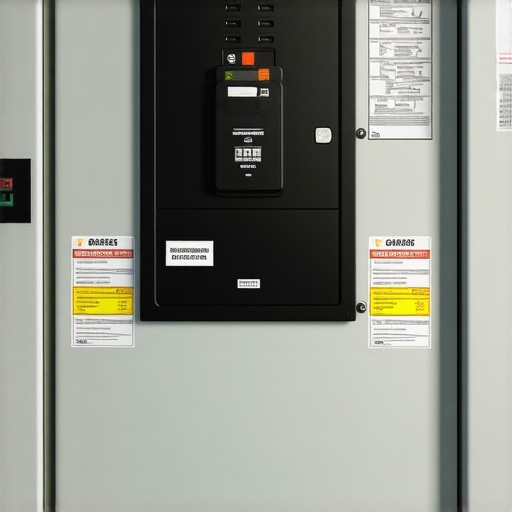
Upgrading your electrical panel isn’t just about increasing capacity; it’s about optimizing safety and ensuring your system complies with the latest standards. Modern panel upgrades incorporate smart design features, such as integrated surge protection and dedicated circuits for EV chargers, which significantly reduce risks like overloads or electrical fires. By working with licensed electricians, homeowners can ensure these upgrades meet the rigorous requirements outlined in authoritative resources like this comprehensive guide on code compliance and panel upgrades.
What Are the Nuanced Signs That Your Electrical System Requires an Upgrade?
While obvious indicators like frequent breaker trips and flickering lights are clear signals, there are more subtle signs that an upgrade might be necessary. These include persistent circuit breaker nuisance tripping even under normal load conditions, warm or discolored panels, or a noticeable decrease in your home’s overall electrical performance when plugging in high-demand devices. Recognizing these signs early can prevent costly damage and ensure your EV charging remains safe and reliable. For detailed diagnostics, consult this troubleshooting resource that emphasizes code compliance.
Is Your Home Ready for the Future of EV Charging?
As EV technology evolves, so do the demands on your home’s electrical infrastructure. Planning for future upgrades—such as higher-capacity chargers or smart home integration—requires a nuanced understanding of your system’s current limitations and potential. An expert assessment can help determine if your existing panel can handle upcoming needs or if a more extensive upgrade is advisable. Staying ahead of these requirements not only guarantees safety but also maximizes your investment in clean transportation. For more insights, explore this article on troubleshooting and future-proofing your EV setup.
How Can You Ensure Your EV Charger Installation Meets the Highest Safety Standards?
Beyond panel upgrades, meticulous attention to the entire installation process is essential. This includes verifying that wiring, grounding, and circuit protections comply with local electrical codes and standards. Working with professionals who follow the latest guidelines not only guarantees safety but also helps avoid future issues. Remember, proper documentation and inspection are critical steps. To understand what to expect during installation, review this authoritative resource on compliance during EV charger installation.
Finally, don’t forget that ongoing maintenance and periodic inspections are vital for sustaining safety and performance. Sharing your experiences or asking questions about your setup can foster a community of informed homeowners committed to safe EV charging. Feel free to comment below or explore more at our contact page.
Understanding the Depth of Panel Upgrades in the Context of Evolving EV Technologies
When I first approached my home’s electrical system for EV charging, I assumed a simple upgrade would suffice. But as I delved deeper, I realized that modern expert panel upgrades are much more than just increasing capacity—they’re about future-proofing, safety, and integrating smart solutions. The complex demands of upcoming EV models, especially those with faster charging capabilities, require a nuanced approach. This understanding prompted me to explore advanced features such as load balancing and integrated surge protection, which are crucial for long-term reliability.
My Personal Reflection on the Hidden Challenges of Panel Upgrades
One of the most unexpected aspects I encountered was the intricate planning involved in upgrading panels to meet 2024 standards. It’s not merely about replacing hardware; it’s about ensuring each component works harmoniously with existing systems. For instance, I discovered that some older panels lack the proper grounding or have insufficient wire capacity, which could lead to safety hazards. Working with a licensed electrician who was well-versed in the latest code requirements was essential. They emphasized that comprehensive diagnostics—like checking for subtle signs such as warm panels or unusual circuit behaviors—are vital for a successful upgrade. This experience taught me that a proactive, detail-oriented approach is indispensable for homeowners considering such enhancements.
What Are the Subtle Indicators That Signal the Need for a Panel Upgrade?
How Can I Detect the Quiet Signs Indicating My System Is Straining?
Beyond the obvious signs like frequent breaker trips, I learned to pay attention to less apparent issues. Flickering lights, especially when using high-demand appliances or EV chargers, can be a warning sign. Warm or discolored panels are even more telling—it suggests overheating or internal wear that could compromise safety. Persistent nuisance tripping, even under normal loads, indicates that your system might be pushing its limits. For a thorough assessment, I recommend consulting resources like this troubleshooting guide, which emphasizes the importance of code compliance and detailed diagnostics. Recognizing these subtle cues early can prevent costly repairs and ensure your EV setup remains safe and efficient.
How Do I Ensure My Electrical System Is Ready for the Next Generation of EVs?
Looking ahead, the rapid evolution of EV technology demands a forward-thinking approach. Planning for higher-capacity chargers or smart home integrations involves not only assessing current load capacity but also understanding potential future demands. An expert assessment can identify whether your existing panel can handle upcoming upgrades or if a more comprehensive overhaul is necessary. For my home, this meant installing a smart panel with load management features, which can dynamically distribute power based on demand. This approach aligns with guidance from this detailed resource, ensuring safety while optimizing performance.
Integrating Smart Solutions for a Safer, More Efficient Charging Experience
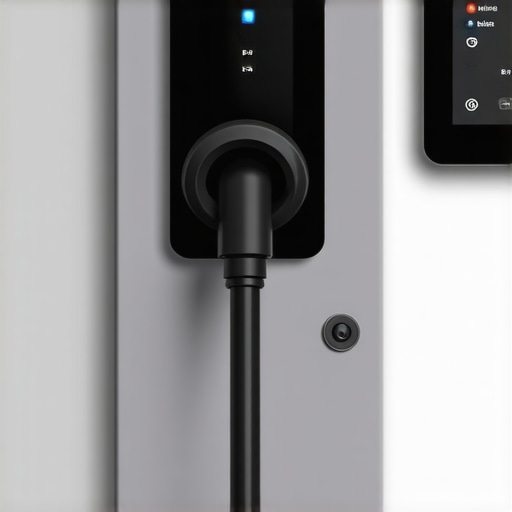
Beyond the hardware, I found that integrating smart solutions such as app-controlled load management and real-time diagnostics greatly enhances safety and reliability. These innovations allow me to monitor my system remotely, receive alerts on potential issues, and optimize charging times to avoid overloads. Such features are increasingly becoming standard in modern panel upgrades, reflecting the industry’s move towards more intelligent, resilient electrical infrastructure. As I continue my journey, I remain committed to staying informed about emerging standards and technologies, which is why I regularly review resources like this expert guide. Engaging with a community of knowledgeable homeowners and professionals helps me make smarter decisions and ensures my home is prepared for the future of EV charging.
Integrating Smart Technologies to Elevate EV Charging Safety and Efficiency
My ongoing exploration into electrical upgrades has led me to embrace innovative smart home solutions that complement robust panel enhancements. Installing app-controlled load management systems not only provides real-time diagnostics but also enables dynamic power distribution, effectively preventing overloads. These advancements are essential as EVs evolve towards higher charging speeds, demanding more sophisticated infrastructure. Industry leaders emphasize that integrating such smart solutions aligns with the latest standards outlined in this comprehensive guide on code compliance. This synergy of hardware and software creates a safer, more reliable charging environment, adaptable to future technological shifts.
Recognizing the Subtle Signs of System Strain in Modern Electrical Infrastructures
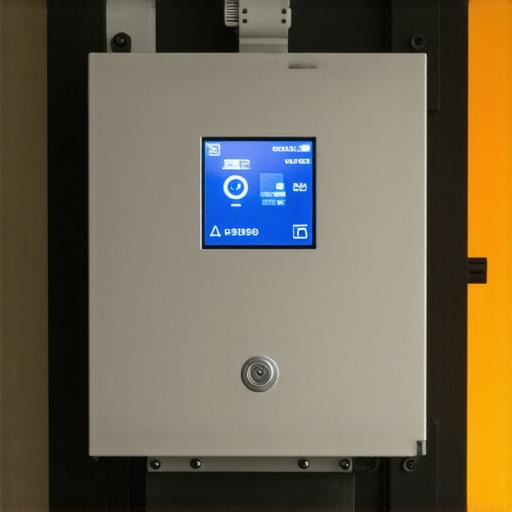
While obvious indicators like frequent breaker trips remain relevant, I’ve learned to pay attention to nuanced cues signaling impending issues. Flickering lights during EV charging sessions, discoloration or warmth around the panel, and unexplained circuit trips under normal loads are subtle yet critical signs. Such symptoms often indicate that your system is operating beyond its optimal capacity, risking safety and performance. Consulting detailed diagnostic resources like this troubleshooting guide can help identify these hidden problems early, preventing costly repairs and ensuring your system remains compliant with the latest safety standards.
Preparing for the Next Generation of EV Technologies with Strategic Electrical Planning
Looking ahead, the rapid development of EV charging capabilities necessitates a proactive approach to electrical infrastructure. Future-proofing involves assessing not only current load demands but also potential upgrades, such as fast-charging compatibility and smart grid integration. Upgrading to a programmable, load-managed smart panel allows for seamless adaptation to upcoming technologies, ensuring safety and maximizing your investment. Resources like this detailed resource provide valuable insights into integrating these advanced features. Staying ahead of technological trends transforms your home into a resilient hub ready for the future of mobility.
Engaging in Continuous Learning to Maintain Optimal Electrical Safety Standards
My journey underscores the importance of ongoing education on electrical safety and code updates. Regularly reviewing authoritative sources and consulting with licensed electricians helps me stay informed about evolving standards, especially as new EV models and charging protocols emerge. Participating in community forums and professional workshops enables me to exchange insights and best practices, fostering a culture of safety and innovation. I invite fellow homeowners to share their experiences and questions, as active engagement is vital for maintaining a safe, efficient, and future-ready EV charging environment. For personalized guidance, visit our contact page and join the conversation.
Things I Wish I Knew Earlier (or You Might Find Surprising)
Understanding the Hidden Complexities
When I first considered upgrading my electrical system for EV charging, I underestimated how intricate the process could be. It’s not just about adding a new outlet; it involves understanding local electrical codes, ensuring safety standards, and sometimes rethinking your entire panel setup. That realization came after a few frustrating trips with unqualified electricians. Now, I know that working with licensed professionals who prioritize code compliance makes all the difference.
The Value of Proactive Planning
Initially, I thought I could upgrade my panel when the charger arrived. But I soon learned that planning ahead—getting an expert assessment before installation—saves time and money. It’s like building a foundation before constructing a house. Considering future needs, such as higher-capacity chargers or smart home integrations, early on can prevent costly upgrades later.
Subtle Signs of System Strain
One surprising thing I discovered is how subtle signs—like flickering lights or warm outlets—can signal your system is under stress. Ignoring these cues might lead to electrical fires or system failures. Regular inspections and diagnostics are a small investment for peace of mind, especially with the increasing demands of EV charging.
Smart Solutions Are Game Changers
Embracing smart load management and real-time diagnostics has truly transformed my charging experience. Not only do I monitor my system remotely, but I also prevent overloads by adjusting charging times. These intelligent solutions are becoming essential as EV technology advances and charging speeds increase.
Balancing Cost and Safety
At first, I worried about the expense of upgrades. But I found that investing in quality, code-compliant panels and professional installation pays off by avoiding safety hazards and ensuring reliable charging. It’s about peace of mind—knowing my home is prepared for current and future EV needs.
Resources I’ve Come to Trust Over Time
Bright Spark Electric Blog
This site offers practical advice on all things electrical, especially for EV charging. I’ve relied on their guides for understanding code compliance and panel upgrades, making complex topics approachable.
National Electrical Code (NEC)
The NEC provides the foundational safety standards for electrical installations. Familiarizing myself with their updates helped me ensure my system met legal and safety requirements.
Local Electrical Authority Resources
My city’s electrical department offers guidelines and inspection checklists. They’re a reliable source for understanding local code nuances and compliance procedures.
Professional Electrician Consultations
Nothing beats talking directly with licensed electricians who are up-to-date with the latest standards. Their expertise has been invaluable in my upgrades.
Parting Thoughts from My Perspective
Looking back, I realize that prioritizing safety and code compliance in EV home upgrades isn’t just a technical necessity—it’s a personal commitment to my family’s well-being. Investing in a professional panel upgrade and staying informed about evolving standards has given me peace of mind and a reliable charging setup for the future. If you’re considering similar upgrades, I encourage you to do thorough research, work with qualified professionals, and remember that safety always comes first. Sharing your experiences or questions can help build a community of informed, safety-conscious homeowners. Feel free to drop your thoughts in the comments or reach out through the contact page. Let’s keep our homes safe and ready for the future of EV technology.